
What Is Buccal Massage? A Guide for Massage and Beauty Therapists
Oct 30, 2026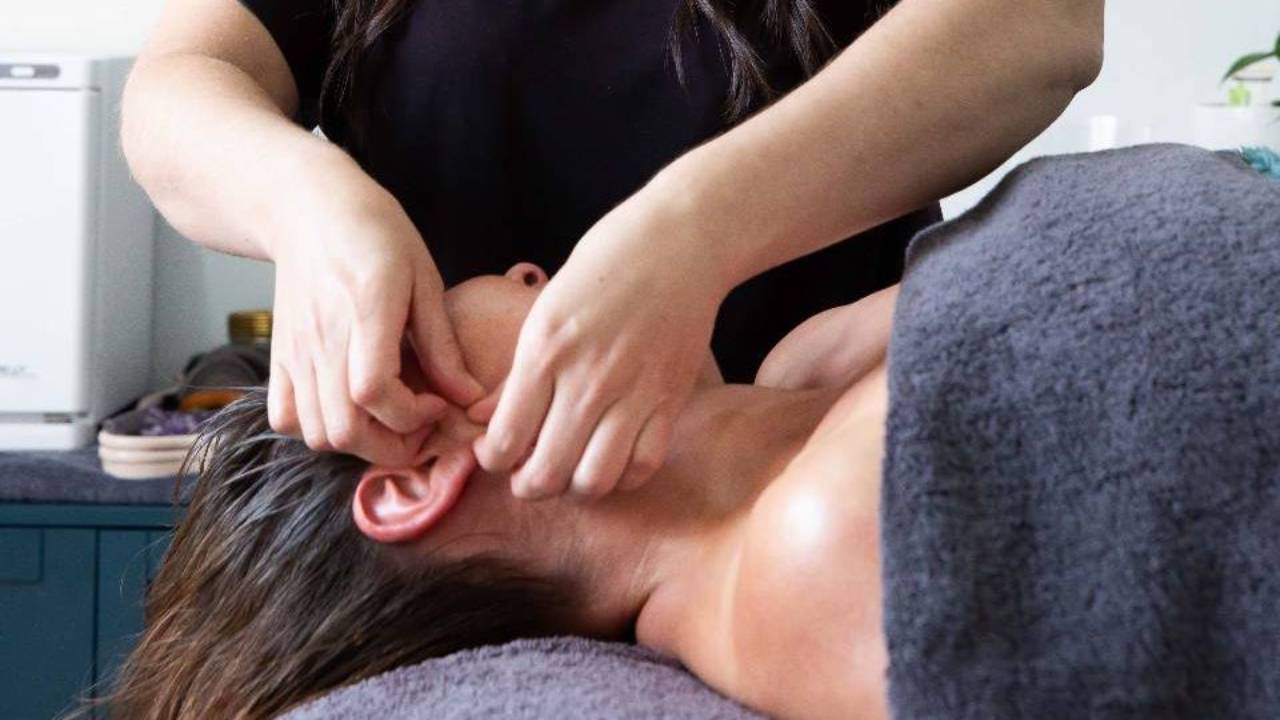
Buccal massage has moved from a niche treatment to one of the most requested facial services in Australian clinics. If you are a massage or beauty therapist, chances are your clients have already asked whether you offer it. This guide explains what buccal massage is, how it works, what the evidence does and does not tell us, and what you need to learn before offering it safely.
What buccal massage is
Buccal massage is a facial technique that works on the muscles and soft tissue of the face from both the outside and the inside of the mouth. Wearing gloves, the practitioner places one or two fingers inside the cheek while the other hand works externally, so the tissue can be held and released between the two hands. The word buccal comes from the Latin bucca, meaning cheek.
Working intraorally gives access to muscles that are hard to reach from the surface alone, including the buccinator, which forms much of the cheek wall, and the deeper fibres of the masseter, one of the main chewing muscles. Many clients hold a surprising amount of tension in these areas from clenching through the day or grinding at night.
Why clients ask for it
Most clients come to buccal massage for one of two reasons. Some want relief from jaw tightness (tmj) or the general feeling of a tense face. Others are drawn by the visual changes they have seen online, such as a softer jawline or a more lifted look after treatment.
In practice, the most consistent feedback is about how the face and jaw feel afterwards. Clients often describe their jaw as looser and their face as more relaxed, and many say they feel deeply calm by the end of the session.
What the evidence says
It is worth being honest with clients here. There is good research showing that massage and manual therapy can reduce muscle tension and pain in the jaw and face, including for people with temporomandibular disorders. Intraoral techniques for the masseter and pterygoid muscles are already used by physiotherapists and dentists for this reason.
There is far less published research on buccal massage as a cosmetic treatment. Claims about lasting lifting or lymphatic drainage are largely based on practitioner experience and before and after photos rather than controlled studies. Visible changes straight after a treatment are real, but they are most likely a result of released muscle tension and temporary changes in fluid, and they need regular treatments to maintain.
At The Vellora Method we teach therapists to describe results in a way that matches the evidence. Clients trust you more when you are clear about what a treatment can and cannot do.
What a treatment involves
A typical session begins with a consultation and contraindication check, followed by work on the neck and shoulders to help the nervous system settle. The practitioner then moves to external facial massage before beginning the intraoral work, one side at a time. The whole treatment usually takes between 60 and 90 minutes.
Pacing matters more than most therapists expect. When the practitioner slows down and works from a settled place in their own body, clients tend to relax more deeply and the tissue releases more easily. This is something we spend a lot of time on in training.
Safety and contraindications
Because buccal massage involves working inside the mouth, hygiene and screening need to be taken seriously. Practitioners should always use gloves, and should not treat when a client has:
- Recent dental work or oral surgery
- Recent injectables in the treatment area
- Mouth ulcers or cold sores
- Any oral infection
- Braces or loose dental work
- An acute jaw injury, or jaw pain that has not been assessed
Clients with ongoing jaw pain or temporomandibular disorders should be encouraged to see their dentist or physiotherapist, and buccal massage can then sit alongside that care.
Learning buccal massage
Buccal massage is a hands on skill, and the intraoral part in particular needs to be learnt in person with feedback on your pressure and pacing. Before you book any training, check what your professional insurer requires, as cover for intraoral work varies between providers.
The Vellora Method runs two day buccal massage masterclasses in small groups of up to six, so every student gets direct, hands on correction. Upcoming dates are in Adelaide and Perth. You can read more on the buccal massage masterclass page, or email [email protected] with any questions.
Bailey Womack is the founder of The Vellora Method and has worked as a bodywork practitioner for 18 years. She runs Rejuvenation Gypsy, a holistic wellness studio in Tea Tree Gully, Adelaide.
SUBSCRIBE FOR WEEKLY LIFE LESSONS
Lorem ipsum dolor sit amet, metus at rhoncus dapibus, habitasse vitae cubilia odio sed.
We hate SPAM. We will never sell your information, for any reason.